At The Intersection of Blood and Guts
Alice: Would you tell me, please, which way I ought to go from here?
Cheshire Cat: That depends on where you want to get to.
Alice: I don’t care much where…
Cheshire Cat: Then it doesn’t matter which was you go.
Alice: …So long as I get get somewhere.
Cheshire Cat: Oh, you’re sure to do that, if you only walk long enough.
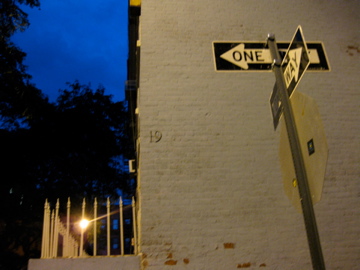
Sometimes the path you walk seems clearly defined, but then, something happens. It looks unfamiliar, and you realize you’ve lost your way.
Maybe you’ve encountered a rift in the earth. One tectonic plate sinks beneath another. It’s not the kind of ground breaking you had in mind.
Or the way might be flooded and you can’t get through. It’s not the image you had of yourself, rising up from the sea foam like Poseidon, or Aphrodite on the half shell.
Or maybe you are trapped, mesmerized by the reflection of your own image in the floodwater. It’s not what others meant by staying fluid. You might be like poor Echo, pining away watching someone else watch their reflection in the water.
Even simpler, maybe the compass rose has lost its petals and you realize you are traveling in the wrong direction.
Have you ever found yourself lost like this? Are you lost, right now, like this? Does it feel like the intersection of blood and guts? Which way do you go?
Go this way, and it’s the blood of the walking wounded, or the sacrificial lamb. Maybe that lost little lamb is you. Or maybe you will be the one to hurt someone else down the road. It’s the easier path to take. No apologies necessary. Losses cut. The escape route.
Or go that way, with guts – it’s taking the long, winding road. Perseverance. Compassion. All options and consequences considered. A harder path to walk.
None of it’s easy. Free will? It’s a bitch.
Maybe the journey takes us along all of the paths. The road is filled with seekers, navigating blood and guts. May the rose ride up to meet you, may the wind be at your back… We are Whitman wanderers walking towards a glowing inner light…
Abracadabra

In language, some words diminish in value, the meaning loses its weight over time. Today, everyone’s a genius. And everything that happens is epic. There are also words and phrases that completely lose their true meaning, their relevance, and their beauty, in a devolution of their original form.
Over the weekend I attended the virtual Essential Magic Conference, hosted in Portugal by Luis de Matos. It was filled with the best in magic, and attended by over two thousand people from 74 countries. It is a fine learning experience, and creatively stimulating, even if you are not interested in magic. One of the presenters was Norberto Jansenson, whose work combines storytelling, mystery and magic. His talk was intense and inspiring, and something he mentioned struck a chord. It was the true, lost meaning of “abracadabra”.
While the word “abracadabra” may bring to mind faded images of magic acts replete with red curtains and a rabbit in a hat, the original word is far more compelling. There is a theory that the word is derived from a Semitic language. Jansenson says it is Aramaic in origin: “Avra kehdabra” — meaning “I will create as I speak”. How beautiful, rich, and powerful. It represents the spontaneity that, in the moment, gives way to articulation and creativity — sparking and igniting right before your eyes. It is a shared experience of wonder, from the ancient Greek theater to this morning’s street performer, occurring in full presence of the moment.
With a little digging, I found the source of the phrase may originate from these three words – ab (father), ben (son) and ruach acadosch (holy spirit). The three points form a triangle, a trinity, and the enclosed space of the three lines is where building is possible. Where things begin. Where magic happens. Art. Articulation. Astonishment. I will create as I speak. Abracadabra.
With gratitude to Mr. Jansenson for creating that moment,
Toni
Sound of Silence

While walking through Brooklyn’s Williamsburg, I came across this poem written on a window that had been cemented over. Even though it is not English (it’s Italian), it evokes a dark mood, with its sloping black S words on a cement wall. The alliteration creates a snaky hissing sound, and the words seem to reveal dreams with the weight of a serpent, writing, eschewing vanity (smiling monkeys “spit on mirrors”), vulgarity and its slippery steps, slinking and sinking into the night’s moon…and silence. Is this a dream of awakening — an uncoiling spiral of kundalini energy? A anxious, sexual dream filled with innuendo? What significance does this hold for the writer? What compelled him to write his dream on the wall?
I also read a friend’s blog post, author Dr. Jean Raffa’s post on the significance of dreams. It’s a exploration in brilliant decoding, explaining the meaning and symbols a particular dream revealed to her. These are the things that propel us towards spirit, their unfolding and synchronicity plug us in to a deeper awareness. But, they require an intimate relationship between our consciousness and our attention. In today’s world, we wade through information overload and a pull towards material possessions. Information is not knowledge. Objects are not symbols. They distracts us from tapping into discovery of the self. In the truth of that discovery, even when it’s painful, we have a better sense of the world and our relationship to it.
Both the wall poetry and Dr. Raffa’s blog reminded me of Paul Simon’s tune, Sound of Silence, with its recounting of a dark and moody dream. The image and symbolism remain with him when he wakes up. The song, written by Simon when he was only 21, is a cautionary tale of how our distraction, apathy and materialism point us in the wrong direction. Lack of awareness is isolating, and ultimately leads to a breakdown in communication. That kind of silence is never golden and a neon sign can never supplant our divine spark.
How about you? Do you focus on symbols, or objects? Are you brave enough to decipher and share share your dreams?
Hats and Philosophy
This sunlight linked me through the ages to that past consciousness.
~ Henry Williamson
Light and memories at Wiliamsburg’s Brooklyn Flea, New York 4/8/12
Hats

Blossoms
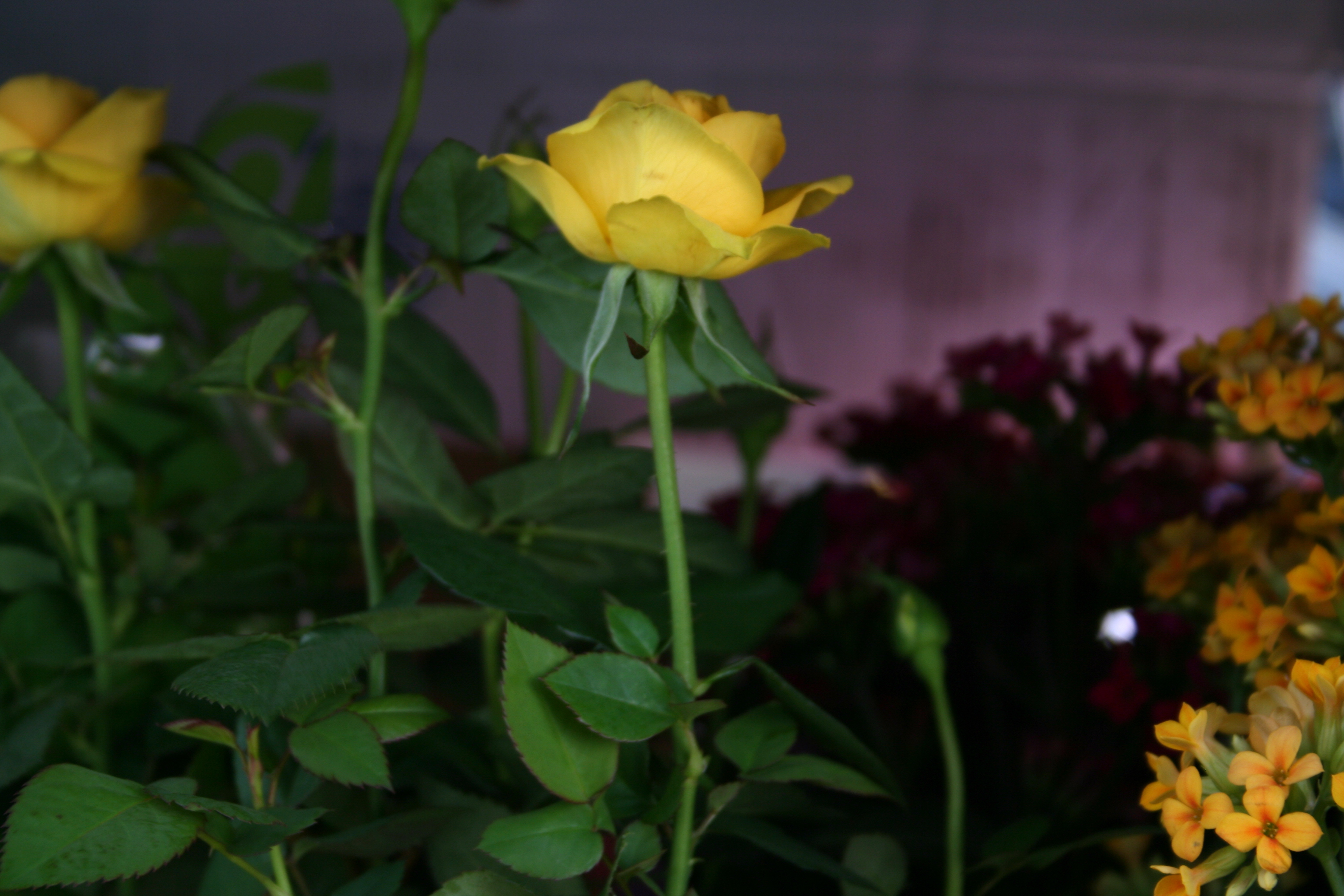
Philosophy

Awakening
And the day came
When the risk to remain tight in a bud
Was more painful
Than the risk it took to bloom…
~Anais Nin

Rocking The Mortal Coil
Sing with me, sing for the years,
Sing for the laughter, sing for the tears…
Steve Tyler‘s song has always haunted me. How could someone so young instinctively understand the arc of our human life in all of its mystery, and express it with such mature perspective? What? This rambunctious rock and roller?
“I know nobody knows, where it comes and where it goes….” The words takes us into the depth of our mortality; life and time are ephemeral. That wake up call comes to us at a tender age, when we lose a pet, a friend, or a parent: you means this all ends?
The mortal coil winds into our awareness, spiraling around us in our knowing, and, in our not knowing. While we are here, we seek a meaningful experience. We want to make some sense of the mystery. Sunrise, sunset.
Max Frisch said, “Time does not change us, it unfolds us.” Our life lessons are experiential, and they are book taught: they keep us grounded. Our dreams house our spirit, our mythology, our creativity, our divinity. Even in uncertain skies, our dreams teach us to fly.
We are rocking the mortal coil.
Dream On,
Toni Tan
Full
The moon orbits the spinning earth, and in its phases and cycles, seemingly shows us aspects of itself: new, crescent, quarter, full. Although it appears to be changing shape on its journey, the moon is actually reflecting the light from the sun. It is always moving, intact, whole. In truth, the moon is always full.
Sometimes in our search for meaning, we tend to take concepts and symbols apart, and then focus on the parts, and not the whole. A symbol we are all familiar with is the Taoist symbol of the yin yang. The image is a static version of its wholeness. Life is always in motion, always in a process of becoming, and changing. Like the moon, the yin yang is a symbol for change, for motion, for the play of light and shadow. We think of it in halves, and opposites — but it is not day or night, fall and winter. It is all things: day becoming night, fall becoming winter, growth and decay. It is always moving, intact, whole. This is time.
In the richness of Jungian psychology, this concept and its symbols are understood, and utilized, as the anime and animus. The anima is the female aspect present in the collective unconscious of men, and the animus is the male aspect present in the collective unconscious of women. But this energy is not static, neither halves or opposites — male or female, logic or compassion, conscious or unconscious, light or shadow. It is always moving, intact whole. This is being.
Yeats said, “It takes more courage to examine the dark corners of your own soul than it does for a soldier to fight on the battlefield.” Our life path is to realize the self. Not merely to explore and reconcile our light and our shadow, but to awaken what already resides within us. Like the moon, we are reflecting light, serving as mirrors for one another, not static, but reflective, responsive. This is transcendence.
In truth, like the moon, we are always moving, intact, whole, and full.
Toni
One Day I Shall Burst My Bud Of Calm…
To everything, there is a season…except maybe for winter 2012 in New York city. It’s been a mild one. Although spring officially arrived, 3/20 1:14 AM EDT, the warm temps and many blooms made their appearance well in advance of the equinox.
Global warming, Positive Arctic Oscillation? One thing for certain, it’s crazy…and spring, half losing its mind from all of it says, “Bring it on.” It reminds me of this quote by Christopher Fry:
“One day I shall burst my bud of calm and blossom into hysteria.”
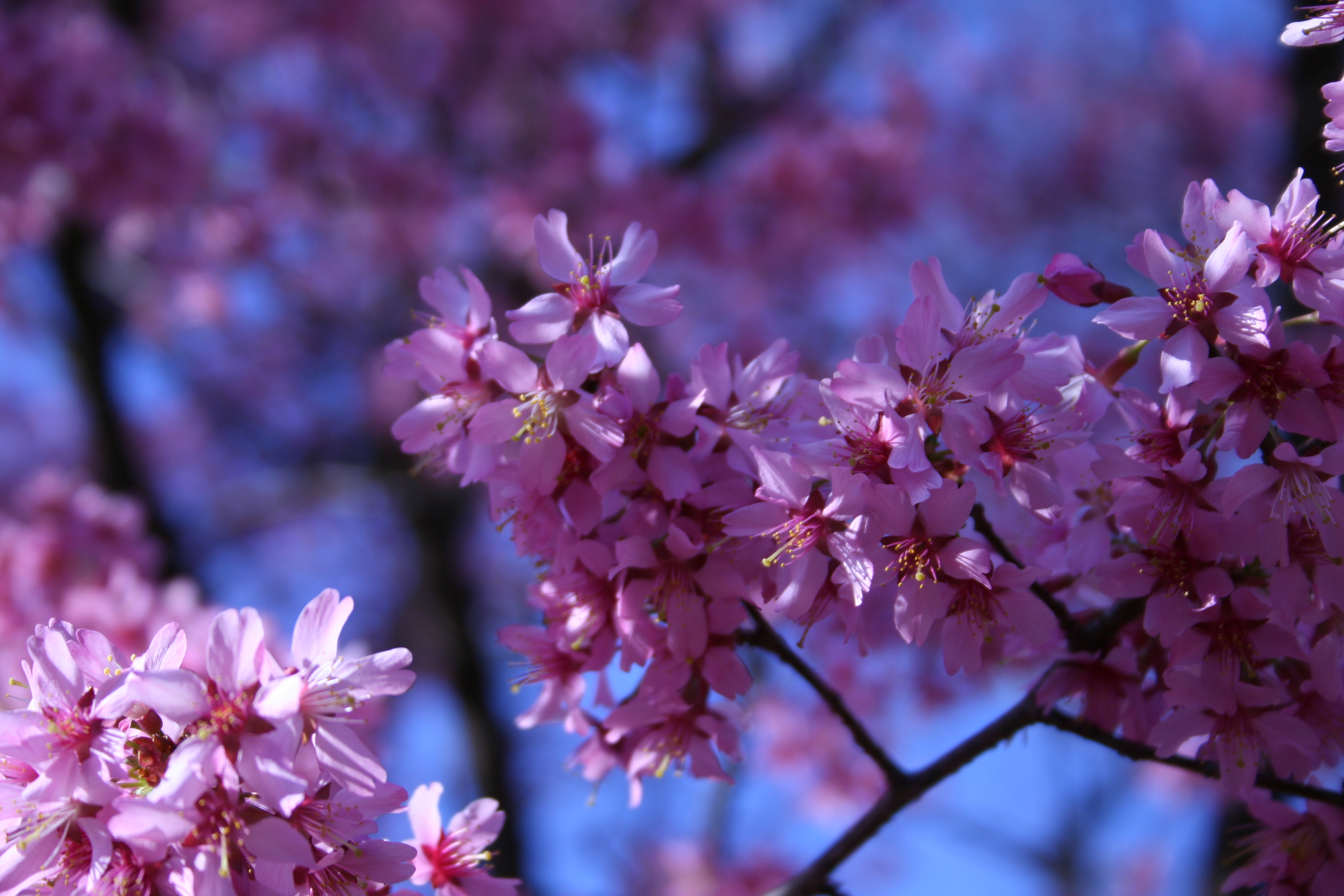
Soft and striking Central Park cherry blossoms
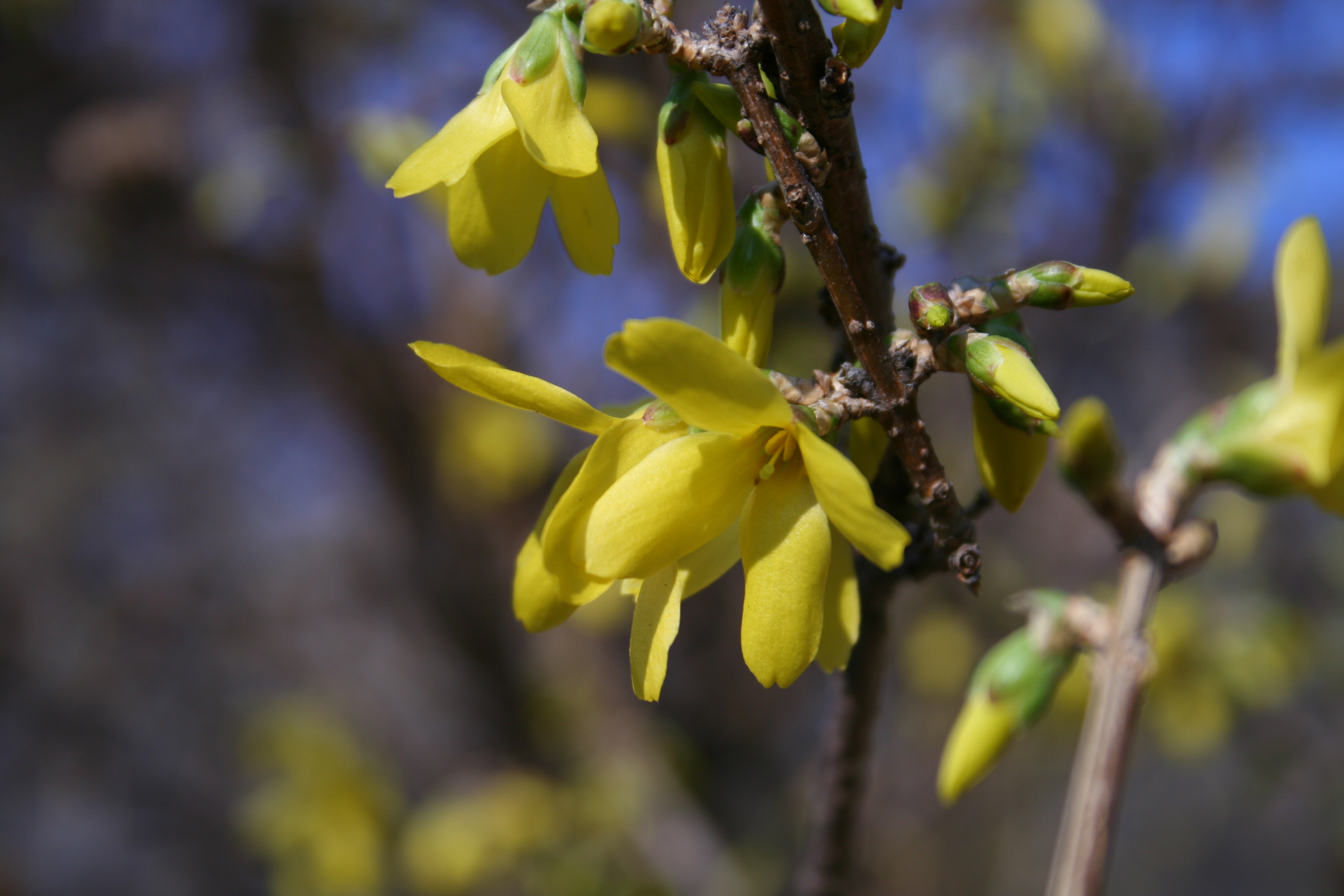
Forsythia unfolding in Central Park
A Central Park hill of daffodils

A star is born

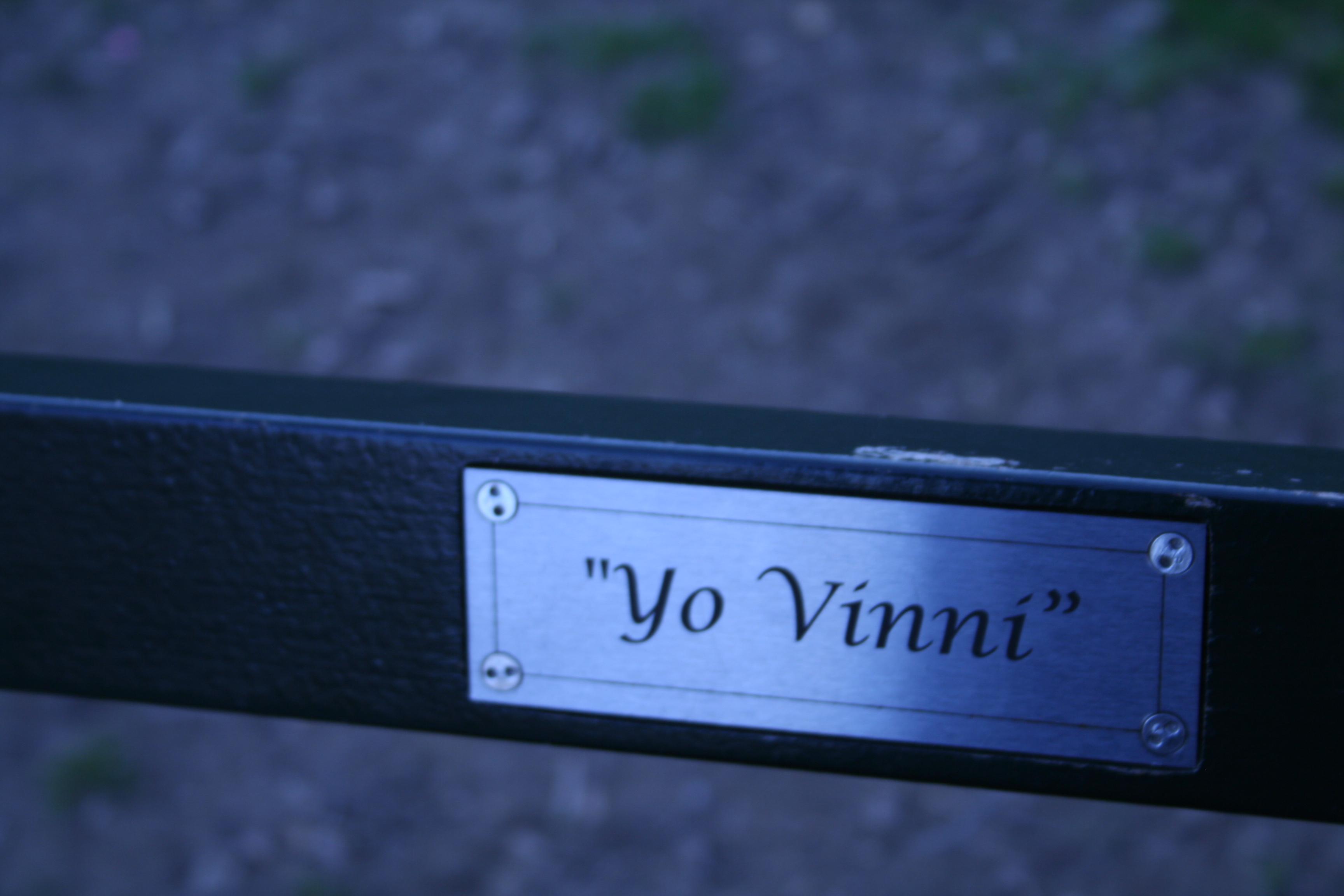
A Central Park bench. Eh, this is New York!
Masks
Consider the mask. In the English language, the word for person is derived from the Latin word persona – which translates as “mask”. Masks are a universal part of our human experience. Used in ceremony and in practical purpose, the mask holds social and symbolic meaning. Power and myth.
The Iroquois healing ritual masks invoke the spirits of the dream world with the belief their masks have life. Igbo tribal mask ceremonies connect to ancestors. Shamanic masks of the Chinese Shigong, Hopi, Zuni and Dogon are used in ritual dance. There are the Temne’s masks of wisdom and humility; the Ivory Coast Senoufo tranquility mask with its sleepy eyes and Grebo mask of the proud, unyielding warrior.
Masks of ancient drama and myth teach and entertain, from Greek and Roman amphitheater to India’s Mahabarata and the Noh plays of Japan. There is the ancient iron mask as torture; oxygen mask, life saving; gas mask, protection; and diving mask, clarity. Masks as disguise, to avoid recognition, be anonymous — in crime or carnival.
A great deal is written in psychology as well, on how we wear “masks” in our every day life, as a defense mechanism, hiding a true self behind it. We don the right one for the appropriate situation. Our vulnerability is protected.
You may believe you are the sum of all the masks you wear. Give this some thought: if you hold a mask in front of you, and shine a flashlight between the mask and your face, light would shine through. It would pour through the openings in the eyes, the mouth, it may even appear luminous. Maybe your essence is spirit, and you are that light shining through.
What do you think?
Less Is More: Clean Up Your Sh*t

Bruce Lee said, “It’s not the daily increase, but the daily decrease. Hack away at the unessential.” That quote actually comes from ancient Chinese thought, and you are likely to find it running through the culture stream of any wisdom tradition.
As the weather warms up, we all understand the concept of spring cleaning. Beyond that notion, part of health and well being is to get rid of what you do not need. In the I Ching, the Book of changes, there is hexagram #41: decrease. Sometimes it is called “empty the cauldron”. It is made up of the trigram mountain over the trigram lake. Here’s what’s happening in that pairing: the water evaporates, and though not visible, the moisture nourishes the mountain. It moves deep inside, hidden — yet is fosters new growth.
It is a time not of accumulation, but meaning. What seems to be lost, and in many ways is lost, is ultimately changing. The external gives way to the internal. Maybe its a reduction in your material possessions. Their loss can leave room for something else: perhaps not visible, but felt, and understood. Known only in a way that manifests when you make space for it.
In more modern words — less is more, clean up your sh*t. Cutting through clutter and excess could mean cleaning out a closet, or clearing out your own cobwebs. Streamline efforts in your daily life. Clear a place for deeper exploration of thought or spirit. Is it time to talk less and listen more? Maybe the anger has to go. Or the frustration. Judgment. Jealousy. Self absorption. Self pity. All baggage you do not need to carry. It weighs you down. Hack away at it, let it go. Empty the cauldron. Dissolve, like water into the mountain, and see what grows.
Toni Tan
 Water Over Fire